
Covert Security Camera vs Visible Camera: Which Works Better?
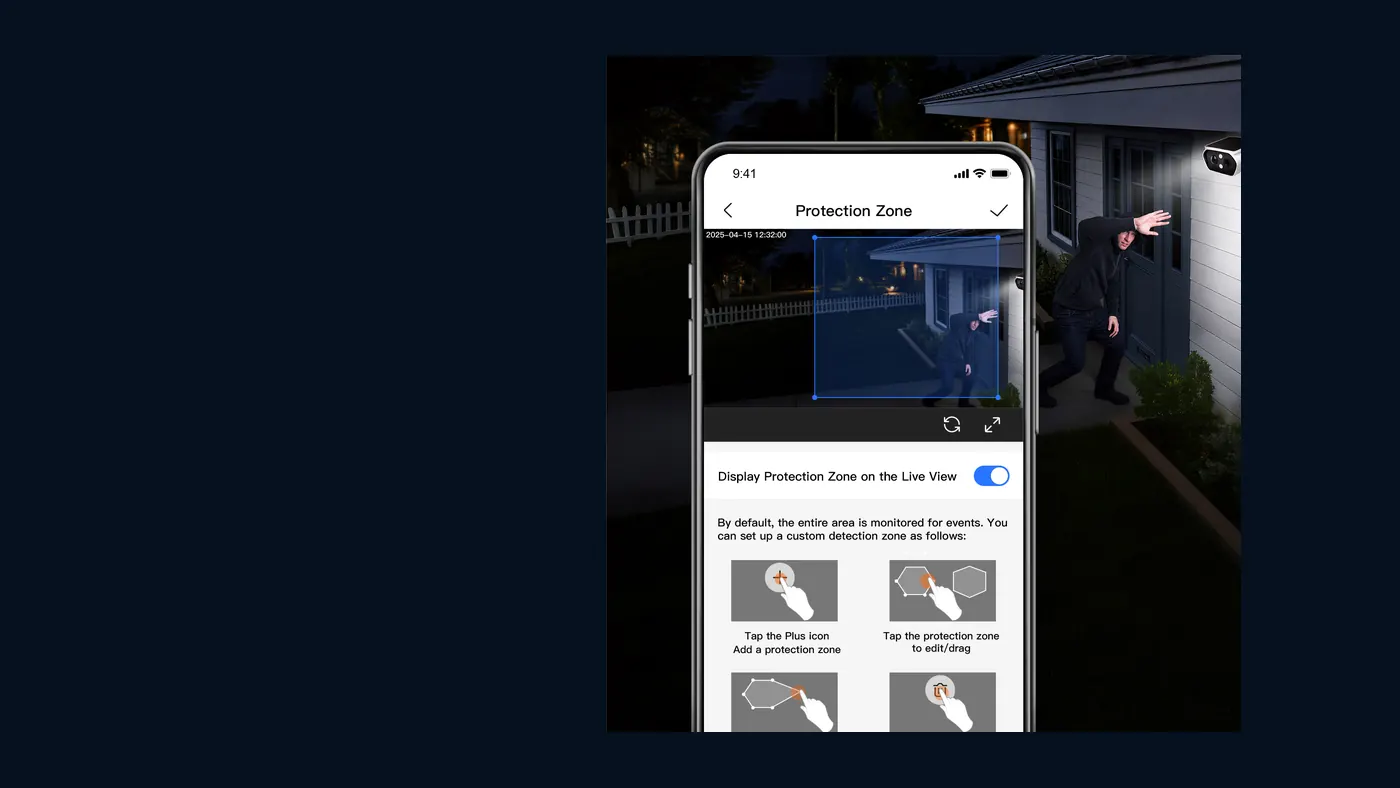
Visible cameras and covert ones do different jobs, so the real question is which job you need done. A visible camera works by being seen: it puts people off before anything happens. A covert security camera works by not being seen: it records the person who deliberately avoids, covers or breaks the obvious camera. For most homes and small shops, the strongest setup is visible cameras at the entrances plus one discreet backup that watches the visible ones — placed only where local rules allow.
This guide explains what each type is good and bad at, how to decide for each spot, how to set up a discreet camera so it actually records something useful, and where hidden cameras cause more trouble than they solve.
What each type is actually for
Visible cameras: prevention
A camera mounted in plain view at the front door, gate or shop entrance sends a simple message: this place is watched and anything you do here will be recorded. An opportunist looking for an easy target may simply move on. Visible cameras also reassure family, customers and staff, and they make it obvious that you are not hiding anything — which matters both ethically and, in many places, legally.
Their weakness is that anyone who plans ahead can see them too. They can approach from the side the camera does not cover, wear a hood and keep their head down, spray or tape the lens, or pull the camera off its mount. If the visible camera is the only thing recording, a determined person can defeat your whole system in a few seconds.
Covert cameras: evidence
A discreet or hidden camera is not there to deter anyone. Its job is to capture what happens when someone assumes they are not being recorded: the face of the person who turned away from the porch camera, the moment a lens gets covered, the route someone uses to reach the back of the house.
Its weakness is the opposite of the visible camera: because nobody knows it is there, it prevents nothing. It also raises privacy questions that a visible camera mostly avoids, especially indoors or anywhere other people have a reasonable expectation of privacy.
Fake cameras are a third, weaker option
People sometimes try to get the deterrence of a visible camera without the cost by putting up a dummy. It records nothing and is often easy to spot, which this article on whether fake cameras work covers in detail. A real camera that is merely discreet is a very different thing from a fake one that is merely visible.
The setup that suits most homes
Rather than choosing one type, combine them so each covers the other's weakness:
- Visible cameras at the entry points. Front door, back door, gate, driveway, shop entrance. These are the places where deterrence pays off. If you are still deciding which spots matter, start with this guide on where to place security cameras around a house.
- One discreet camera that watches the approach to a visible camera. If someone walks up and covers the porch camera, the discreet one records their face as they do it.
- Indoors, visible by default. Inside the home, a camera that everyone knows about is almost always the right choice. Discretion indoors belongs only in shared, non-private areas, and only within local rules.
This layered approach means the visible camera does its preventive work, and the discreet one turns "they broke the camera" into "here is who broke the camera".
How to decide for each spot
Walk around your property and ask these questions for every place you are thinking of covering. The answers usually make the choice obvious.
- What do I want to happen here? If you want people to change their mind and leave, go visible. If you want a record of what someone did when they thought nobody was looking, go discreet.
- Can the camera be reached from the ground? A visible camera within arm's reach is easy to cover or remove. Either mount it higher or back it up with a discreet camera that watches it.
- Who else passes through this view? Neighbours, passers-by, tenants, staff or guests in the frame are a reason to be visible and careful about angle, not a reason to hide the camera.
- Is this a private space? Bathrooms, bedrooms used by others, changing areas and similar spaces are off limits for any camera, hidden or not.
- Is there power and a WiFi signal? Discreet positions are often awkward: inside a garage, behind a window, under an eave. Check that the camera will get a stable connection there before committing to it.
Setting up a discreet camera that actually records something useful
A hidden camera that is badly placed records ceilings, glare and the backs of heads. These checks make the difference.
Choose the position for faces, not for coverage
The visible camera usually covers the wide view. The discreet one should cover the narrow path where people have to walk and look up — for example, the last few steps before the front door, or the side gate someone would use to avoid the porch camera. Aim it roughly at head height along the approach, not straight down from above, which mostly captures hair and hats.
Hide the camera, not the lens
Many people tuck a camera so deep inside a shelf, plant or window frame that the lens can barely see out. Make sure the whole field of view is clear: open the live view in the app and check the edges of the picture, not just the middle.
Watch out for glass at night
A camera behind a window often works well in daylight, but at night its infrared lights reflect off the glass and the picture turns into a white glare. If your discreet spot is behind glass:
- Press the camera lens as close to the glass as possible; this reduces, but does not always remove, the reflection.
- Check the night picture before relying on it — go out after dark and walk the path while a family member watches the live view.
- If the reflection is still there, either move the camera outside or switch off its infrared and rely on an outdoor light, if your model and app allow it. Menu names vary by model and app version.
Turn off status lights if your model allows
On some cameras the status light can be turned off in the device settings. That makes the camera much less noticeable, especially at night. If you cannot find the option, check the manual for your model; not every camera offers it.
Make sure it records when you are not watching
A discreet camera that only shows live video is useless after the fact. Before you rely on it:
- Insert a memory card if your model supports one and check in the app that it is detected and formatted.
- Set recording to continuous or motion-triggered, depending on what your model offers and how much you want to store.
- Turn on motion alerts for the discreet camera too, so you know when someone is in the area even if the visible camera has been covered.
- Play back a recording a day later to confirm it saved. If you only test the live view, you will not know the recording works until you need it.
Protect the recording itself
If someone finds a hidden camera, the first thing they may do is take it. A memory card inside the camera goes with it. If losing that footage would matter, check whether your model and plan offer a way to keep a copy away from the camera, and consider placing the discreet camera somewhere hard to reach rather than just hard to see.
Where hidden cameras cause problems
Hidden cameras are where most of the privacy trouble with home security happens. Before you hide any camera:
- Never point a camera of any kind into private areas — bathrooms, bedrooms of other people, changing rooms. This applies to your own home too.
- Be careful with audio. In many places, recording conversations is more tightly controlled than recording video. If you do not need sound, turn the microphone off in the camera settings.
- Think about the people who live or work there. Household members, a cleaner, a nanny or employees usually have a right to know they may be recorded. Rules vary by country and by situation, so check local rules before installing a camera they are not told about.
- Keep neighbours and the street out of the frame as far as you can. This guide on keeping a front yard camera aimed at your yard, not the street shows how to use tilt, detection zones and masking.
For anything indoors, the basics in this guide to privacy for indoor cameras — what to avoid filming, how to tell people, and how to lock down sharing — apply even more strongly to a discreet camera than to a visible one.
Common mistakes and what they look like
"The visible camera was covered and nothing else recorded." You had no backup. Add one discreet camera that watches the visible camera's position.
"The hidden camera only shows the back of people's heads." It is aimed along the wrong direction or mounted too high. Move it so people walk towards it, roughly at face height.
"Night recordings are just a white haze." The camera is behind glass and its infrared is reflecting. Move it, press it against the glass, or rely on external light.
"The hidden camera keeps going offline." Discreet spots are often far from the router or shielded by walls. Check the signal in the live view and consider a closer router position or a range extender.
"Someone in the household found the camera and was upset." This is a conversation that should have happened before the camera went up. Explain what it covers and why, and move it if it captures anything private.
When to get help
Get help when the job goes beyond what you can do safely or confidently:
- Wiring a camera into a ceiling, eave or wall: switch off the power at the breaker and use a qualified electrician for any mains work.
- Mounting high on the outside of a house: use a stable ladder, have someone hold it, and consider a professional installer for anything at roof height.
- Unsure whether a hidden camera is allowed in a rented property, a shop with staff, or a shared building: check local rules or ask a qualified adviser before installing it.
- Footage needed for an incident: save and back up the recording straight away, then contact the relevant local authorities rather than trying to deal with the person yourself.
Frequently asked questions
Is a hidden security camera better than a visible one?
Neither is better overall; they do different jobs. Visible cameras discourage people before anything happens, while hidden ones record people who avoid or disable the visible cameras. Most homes get the best result from visible cameras at the entrances and one discreet backup.
Is it legal to use a covert CCTV camera at home?
It depends on where you live and what the camera sees. Recording private areas, other people's homes or conversations is restricted in many places, and some places require you to tell people living or working in the home. Check local rules before installing any hidden camera.
Will a burglar look for hidden cameras?
Someone who has planned ahead will usually notice the obvious cameras and try to avoid or cover them, which is exactly why a discreet backup is useful. A small camera they do not expect is less likely to be spotted, but one within easy reach can still be found and removed, so place it high or out of the way.
Can I turn off the light on my camera so it is less noticeable?
On some models the status light can be switched off in the device settings, and on others it cannot. Look in the camera's settings in the app or check the manual for your model. Menu names may differ slightly by app version.
Should a hidden camera record sound?
Only if you genuinely need it. Audio recording is more tightly controlled than video in many places, and a hidden camera that records conversations is more likely to cause problems. If you do not need sound, switch the microphone off in the camera settings.
Does a visible camera make my home a target?
For a casual opportunist, a visible camera is more likely to be a reason to try somewhere else than an invitation. Its real drawback is that it shows a careful person where the camera is looking and where it is not, which is why it helps to have a discreet camera covering the approach as well.