
How to Reset a Yoosee Camera to Factory Settings
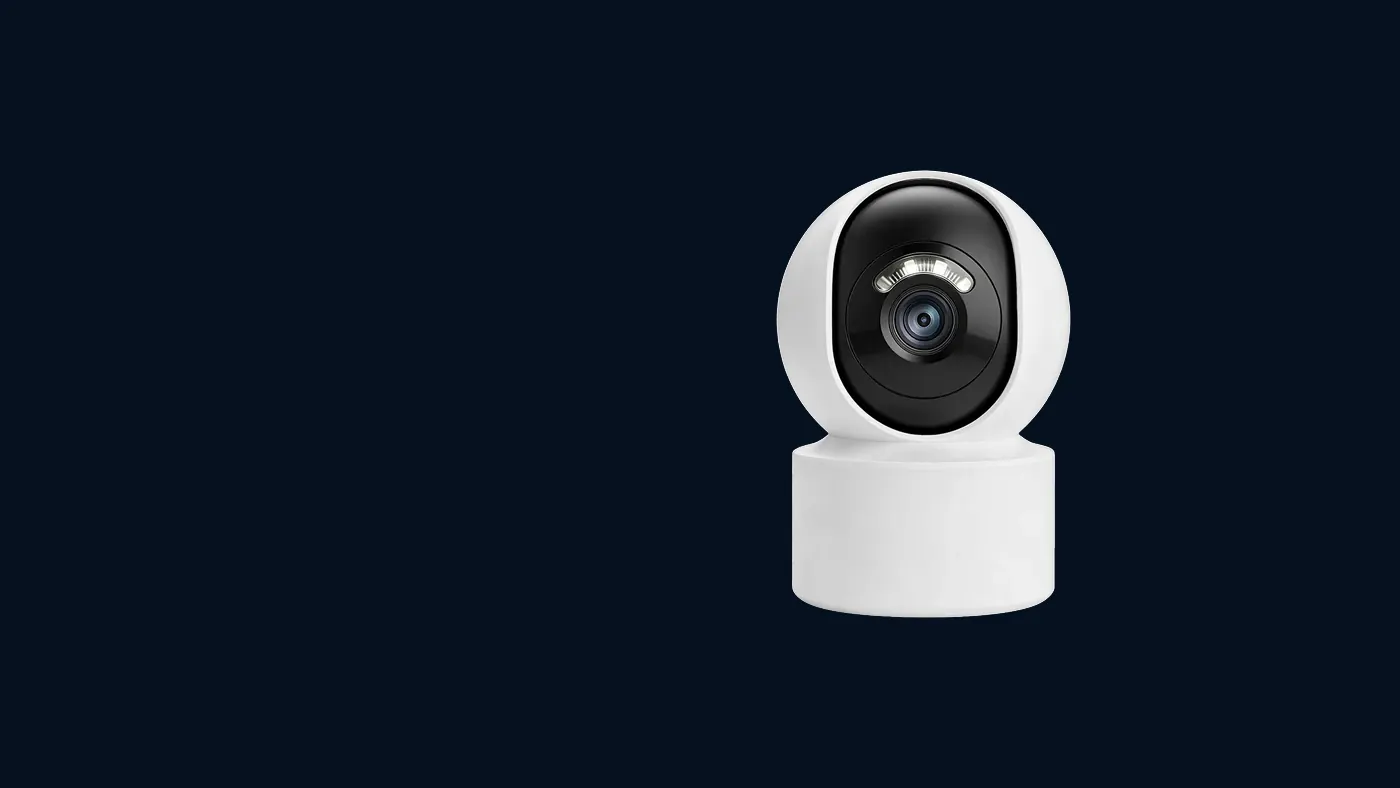
A factory reset returns the camera to the state it was in when it left the box: the stored WiFi name and password are gone, the device password goes back to default, saved settings are cleared, and the camera drops back into pairing mode waiting to be set up again. The procedure is the same everywhere — power the camera on, let it finish starting, then press and hold the reset button until the camera reacts.
The part people skip is what happens afterwards. A reset camera is a camera you have to pair from scratch, and if you do not have the WiFi password to hand, you have turned a working camera into a paperweight until you find it. So it is worth being certain a reset is the right move before you reach for a paperclip.
What a factory reset erases — and what it does not
Understand the split and the rest of this makes sense.
Cleared by a reset:
- The WiFi credentials stored on the camera. This is the big one — the camera will not rejoin your network on its own afterwards.
- The device password, which returns to its default value.
- Settings held on the camera such as motion sensitivity, recording schedules, image orientation for a ceiling mount, and any privacy or detection zones you drew.
- The camera's binding to an owner account, which is why a reset is the standard first step with a second-hand or reassigned unit.
Not touched by a reset:
- Your app account. Your login, your password and any other cameras on the account are unaffected. Resetting a camera is not the way to fix an account problem.
- The physical memory card, which is a separate thing from the camera's settings. Whether footage on it survives depends on the model, and formatting the card is a separate action in the app. If the card holds anything you care about, take it out and copy it before you start.
- The hardware. A reset does not repair a failing power supply, a broken lens or water damage.
When not to reset
Four situations where people reach for the reset button and should not.
The camera is offline. A reset does not restore a connection; it removes the one the camera was configured with, so if the real problem is a router that was replaced or a weak signal, you have added work rather than removing it. Work through why the camera keeps dropping offline first, and reset only if you reach the end of that with nothing.
You have forgotten a password. Which password matters. If it is the device password on the camera, a reset does clear it. If it is your app account password, a reset achieves nothing at all — recover the account instead. The difference between the two passwords trips up more people than any other step here.
You do not have the WiFi password with you. After the reset you have to type it in again. Find it, write it down, then reset.
The camera is mounted somewhere you cannot easily reach. Most reset buttons are physical and on the camera body. Exhaust every remote option before you fetch a ladder.
A reset is genuinely the right tool for: a camera that was set up by somebody else and is still bound to their account, a camera moving to a new home or a new owner, a camera whose settings have been changed so far from sensible that you would rather start over, and a camera that fails to pair no matter what you try.
Where the reset button is
Location varies by model, so look in each of these places before deciding your camera does not have one:
- A recessed pinhole on the back or the base, marked RESET or SET, needing a pin or a straightened paperclip.
- Under the memory card door, next to the card slot, behind a rubber flap.
- On the pigtail cable coming out of an outdoor camera, as a small button on a short lead alongside the power connector.
- Underneath the base or the mounting foot, which means unscrewing the camera to reach it.
- On the neck or the underside of the head of a motorised pan-and-tilt model.
- Inside the battery compartment on battery and solar cameras, which sometimes have to be opened with a screwdriver.
If you genuinely cannot find one, do not start inventing power-cycling sequences you read somewhere. Some models offer a reset command inside the app's device settings — which needs the camera online and connected — and some rely purely on the physical button. Which applies to your unit is a model-specific question: the manual in the box will say, and if the manual is long gone, the seller can tell you.
How to perform the reset, step by step
- Leave the camera powered and let it finish starting up. Resetting mid-boot often does nothing. Wait for the startup prompt, the indicator light settling, or a pan-and-tilt model finishing its sweep.
- Take the memory card out if there is footage on it you want to keep.
- Press the button and keep holding it. A tap does not reset anything; on most cameras a short press does something else entirely. Use a pin for a pinhole and press until you feel the button click.
- Keep holding until the camera reacts — a spoken prompt, a beep, an indicator light changing colour or blinking pattern, or the motor moving. How long that takes differs between models, so hold steadily and let the camera tell you, rather than counting and letting go early. Not holding long enough is the single most common reason a reset "does not work".
- Release and leave it alone while it restarts. Do not unplug it. Interrupting the power during a reset is one of the few ways to genuinely damage a camera.
- Wait for the pairing signal — the prompt, light or temporary hotspot that means it is ready to be set up. That is confirmation the reset worked.
After the reset: getting the camera back online
The camera is now a factory-fresh device that happens to be on your wall. Three things to do, in order.
Pair it again. Delete the old entry from the app first if it is still listed, then run through adding the camera to the app. You will need a 2.4 GHz network and its password. Pairing works far more reliably beside the router than at the far end of the house, so if the camera is easy to unmount, pair it downstairs and put it back afterwards.
Set a real device password. The default is not a secret, and a camera left on its default password is the weakest thing on your network. Change it as part of setup, not later.
Rebuild what the reset cleared. Motion zones, recording schedule, image flip for a ceiling mount, and any access you had shared with family — shares do not survive a reset and have to be issued again.
If pairing fails after the reset, the fault is now in the network rather than the camera's memory, and the WiFi pairing checks are the place to go next.
Resetting a camera before you sell or pass it on
A factory reset alone is not enough here, and the order matters.
- Delete the camera from your app account first, while it is still online. This releases the binding cleanly. Skip it and the buyer may find the camera still attached to an account they cannot access, which is the classic second-hand camera dispute.
- Take the memory card out and either keep it or format it. Handing over a card full of footage of your own home is the real privacy risk in this transaction, and no reset addresses it.
- Then perform the factory reset, so the new owner receives a camera in pairing mode with no WiFi credentials of yours stored on it.
Buying second-hand, do the mirror image: insist the seller removes the camera from their account before you pay, then reset it yourself before pairing.
When the reset does not seem to work
Run through these before concluding the camera is dead:
- You did not hold long enough. Try again and hold noticeably longer than felt necessary.
- Wrong button. Some cameras have a second button for pairing or WPS. Check the label and the manual.
- Weak power. Resets and reboots demand more from the supply than idling does. A thin cable or an underpowered adapter can leave a camera unable to complete the process. Try the original adapter, plugged straight into the wall.
- A flat battery. On battery and solar models, charge properly before attempting anything: a unit running on the last of its charge may not have enough power to complete a reset.
- The camera was already frozen. Unplug, wait, plug back in, let it boot fully, then reset.
If the camera never responds — no prompt, no light change, nothing after several attempts on good power — stop. That is a hardware conversation with whoever sold it to you, ideally while it is still under warranty.
Frequently asked questions
What does resetting a Yoosee camera actually delete?
The WiFi name and password stored on the camera, the device password, the settings held on the camera such as motion zones and schedules, and the camera's link to an owner account. Your app account and its login are untouched, and the memory card is a separate matter — copy anything you need off it first.
Where is the reset button on a Yoosee camera?
It depends on the model. Common locations are a recessed pinhole on the back or base, a small button under the memory card flap, a button on the pigtail cable of an outdoor unit, or one inside the battery compartment on battery and solar models. The manual for your specific model states which, and the seller can confirm if the manual is gone.
How long do I hold the reset button?
Hold it until the camera responds with a voice prompt, a beep, or a change in the indicator light — the required duration varies by model. Counting to a fixed number and letting go is the usual reason a reset appears to fail, so keep holding until something actually happens.
Do I have to add the camera to the app again after a reset?
Yes. The camera comes back with no network credentials, so it has to be paired again with your 2.4 GHz WiFi name and password, and any access you had shared with other people has to be re-issued. Have the WiFi password ready before you reset rather than after.
Will a reset fix a camera that keeps going offline?
Usually not. Offline problems are normally caused by signal strength, a changed router or a power issue, and a reset removes the camera's stored network details without touching any of that. Diagnose the connection first and treat the reset as the last step, not the first.
Is a factory reset enough before selling the camera?
No. Delete the camera from your app account while it is still online first, take out or format the memory card, and only then reset. Skipping the account step leaves the camera bound to you, which the new owner cannot resolve on their own.
Handling cameras for other people?
If you install, resell or refurbish cameras, the unbind-then-reset order is worth building into your handover routine — it prevents most second-hand ownership disputes. Partner and distribution details for the Yoosee range are at business.yoosee.com.